Respite Care That Feels Like Home: Benefits of Smaller Senior Houses
Business Name: BeeHive Homes of Gallup
Address: 600 Gurley Ave, Gallup, NM 87301
Phone: (505) 591-7024
BeeHive Homes of Gallup
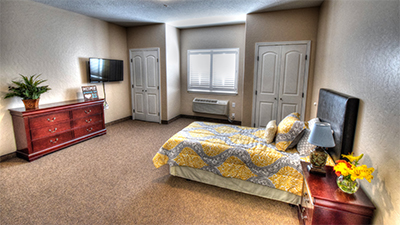
Beehive Homes of Gallup assisted living care is ideal for those who value their independence but require help with some of the activities of daily living. Residents enjoy 24-hour support, private bedrooms with baths, medication monitoring, home-cooked meals, housekeeping and laundry services, social activities and outings, and daily physical and mental exercise opportunities. Beehive Homes memory care services accommodates the growing number of seniors affected by memory loss and dementia. Beehive Homes offers respite (short-term) care for your loved one should the need arise. Whether help is needed after a surgery or illness, for vacation coverage, or just a break from the routine, respite care provides you peace of mind for any length of stay.
600 Gurley Ave, Gallup, NM 87301
Business Hours
Families normally begin looking into respite care when they are currently tired. A spouse who has actually not slept through the night in months. An adult kid juggling work, school pickups, and a parent with advancing memory loss. A caregiver who has actually not had a vacation in years because every lack feels risky.
At that point, the search for aid typically becomes a race: discover a place, any place, that can keep a loved one safe for a week or two. That urgency is real. Yet the setting you select for respite care can shape just how much relief everyone really feels, and how your loved one responds once they return home.
In my experience in senior care and assisted living, smaller senior houses often offer respite care that really seems like home, rather than a short hotel stay with nurses. They do not fit every scenario, but for lots of families, they bridge the gap between needing a break and wishing to honor a parent's sense of self.
This article looks closely at why.
What respite care actually provides (when it works well)
Respite care is short term support for an older adult so that the primary caregiver can rest, take a trip, recuperate from surgery, or just go back for a while. It can last a few days, a few weeks, or periodically a couple of months, depending upon the setting and the care plan.
You will see respite care used in a number of kinds of senior care environments:
Respite in standard assisted living
This is the most common alternative. A larger neighborhood confesses your parent for a specified duration, typically into a supplied home or suite. They get aid with day-to-day activities such as bathing, dressing, medications, meals, and light guidance. It can work extremely well, specifically when your parent may later on require a long-term assisted living positioning, because respite offers everybody an opportunity to "test drive" the community.Respite in smaller senior residences
These may be called residential care homes, board and care homes, group homes, adult household homes, or by other state particular terms. They generally serve 4 to 16 homeowners in a more home like setting, often in a residential community. Personnel offer assisted living design support, however the scale and environment feel different from a 100 apartment complex or a medical campus.Home based respite
This consists of paid in home caretakers, adult day programs, or a brief stay with another relative. It can be perfect for elders who become disoriented in unfamiliar environments, but it does not constantly provide sufficient relief, especially for caregivers dealing with nights of wandering, falls, or personal care needs that are physically demanding.Each approach to respite has strengths. The concern is where your loved one is most likely to feel secure and comfortable, while you get the genuine break you need. For numerous older adults, a smaller senior residence strikes that balance.
How smaller senior residences differ from big assisted living communities
From the outside, the distinctions can appear subtle: both provide assisted living and respite care, both may have licensed staff, care strategies, medication management, and state examinations. The divergence ends up being very clear once you step through the door.
Large assisted living communities typically look like hotels, resorts, or apartment buildings. They might have long hallways, elevators, a grand dining-room, activity calendars with printed schedules, and a wide variety of home sizes. For some elders, that sense of scale is stimulating. For others, particularly those currently distressed or confused, strolling into a lobby loaded with complete strangers and sound can feel like an airport on a busy travel day.
Smaller senior residences generally feel more like strolling into somebody's home. You may smell onions sautéing in the cooking area at 10 a.m. You might see three residents around a table folding laundry or playing cards. The staff member welcoming you might have simply finished helping a resident with breakfast in the next room.
Here is an easy contrast of what families tend to notice.
-
Size and layout
Smaller homes may have 6 to 12 locals, often in a single story house or a compact structure. That implies less corridors, less doors, and a shorter walk from bedroom to bathroom or living room. For somebody with arthritis or early dementia, this can decrease tiredness and confusion. -
Staff relationships
In a small home, a caregiver typically knows every resident by name, regular, and quirks within days. It is far much easier to keep in mind that Mr. Harris requires his coffee before he will take his pills, or that Mrs. Nguyen gets distressed if her evening shower is too late. In a big neighborhood where staff rotate through different wings, it can take a lot longer to get to that level of familiarity. -
Sensory environment
Large dining-room, paging systems, consistent movement in hallways, and brilliant lighting can feel overwhelming to some older adults. A smaller home tends to have more constant background noise and fewer crowds, which matters a great deal for people with hearing loss or cognitive changes. -
Daily rhythm
In a smaller home, assisted living regimens typically align more closely with the natural rhythm of a family. Breakfast might be staggered, with some homeowners consuming at 7:30 and others at 9:00, instead of a stringent 8:00 to 9:00 window. This versatility can make respite care feel more like staying with extended family and less like being on a cruise ship schedule. -
Visibility and supervision
Due to the fact that the space is smaller and more open, personnel can generally see and hear homeowners more easily. For respite guests who are at fall danger or who may attempt to stand without calling for help, that constant informal guidance can be as essential as any formal security measure.
None of these attributes instantly make a small home better. They do, nevertheless, form the sort of experience your parent has during respite care. For an individual already tired of institutions and waiting spaces, a home sized setting can feel like a deep exhale.
What "seems like home" indicates to older adults
Families frequently say, "We want something that feels like home," but everyone indicates something slightly various. When older grownups describe a positive respite stay in a smaller senior house, they rarely speak about chandeliers or theater spaces. They speak about moments.
A woman in her eighties who remained in a 6 bed home for two weeks as soon as informed me, "They let me assist dry the meals, so I did not feel useless." That simple gesture mattered more to her than the medication management that her daughter found most impressive.
In smaller senior houses, staff can typically weave meaningful choices into normal routines:
- Allowing a resident to peel carrots at the kitchen area table while personnel prepare soup.
- Asking a retired teacher to read aloud to another resident with vision loss.
- Letting somebody bring their own quilt, recliner, or preferred mug rather than relying entirely on standard furniture.
Those details might sound small, but they speak to dignity. Many older adults have spent a lifetime running families, raising households, and making decisions. A respite remain that strips away all those roles, even momentarily, can feel embarrassing. A smaller environment minimizes that danger by making participation much easier and more natural.
There is likewise the concern of identity. In a large assisted living community, a respite resident is typically "home 214 for two weeks." In a small home, staff and other homeowners may quickly learn that your father is the one who utilized to fix planes, or that your mother is the baker who still knows 5 pie crust dishes by heart. That sense of being known as more than a room number can relieve the anxiety of being far from home.
Emotional advantages for both the senior and the caregiver
When respite care feels institutional, families will sometimes cut stays short. A son prepares two weeks away, then races home after five days because his mother sounds unpleasant on the phone. The caregiver gets just partial relief, and the senior might become more resistant to any future respite.
Smaller senior residences often turn that pattern. I have seen households sheepishly admit that their parent did not want to leave at the end of a respite visit. That can sting initially, but it is typically a sign that something went right.
For the older adult, the advantages often consist of:
A softer landing
The shift from home to respite care can set off confusion, fear, or even anger. Strolling into a warm, manageable space with a handful of individuals feels less like being "sent out away" and more like visiting a relative who happens to have extra assistance on site.Reduced loneliness
Primary caregivers are not always able to provide social stimulation day after day, particularly if they are working or managing health concerns of their own. In a small home, casual conversation is simple. Four people around a table can hear each other. Games, music, or TV watching ended up being shared activities instead of big events that need register and announcements.Preserved routine
If your father always takes a snooze after lunch, a smaller home is more likely to accommodate that without pressing him to go to a scheduled activity. Familiar patterns reduce agitation, particularly for individuals with dementia.For caretakers, the emotional relief originates from knowing that respite care is not just custodial. When you feel confident that your loved one remains in a location that treats them as an individual, not a job list, you can rest or travel without the constant pull of guilt.
That comfort has measurable impacts. Caregivers who take routine, high quality respite breaks are less likely to establish extreme depression, more likely to keep their loved one in your home longer, and typically more patient everyday. It is not extravagance. It is maintenance.
Clinical and security advantages you may not expect
Families in some cases fret that small homes can not match the medical standards of large assisted living neighborhoods. Occasionally that is true, specifically for locals with intricate medical needs. Yet there are also security advantages that show up in everyday practice.
Observation and early intervention
In a home with 8 homeowners, a modification in habits is hard to miss out on. If a typically social person suddenly avoids meals, personnel will see within a day. Subtle shifts in gait, hunger, or sleep frequently get gotten quicker in small settings merely since there are fewer people to track.Fall risk management
The tighter design of a small home can actually decrease fall danger. Personnel hear a walker scraping on the flooring or a call from the bathroom. Common locations show up from the cooking area, where staff spend a lot of time. Rather of relying entirely on call bells or scheduled rounding, caregivers can react in real time to what they see and hear.Medication consistency
Larger communities frequently have medication service technicians who pass medications to dozens of residents per shift. Systems and training matter a good deal, and lots of do this securely. A small residence, however, might have the very same caretaker helping with medications, meals, and individual look after the very same handful of locals day after day. Familiarity decreases the danger of subtle mistakes like missing out on an as required stress and anxiety medication before a known trigger, such as sundowning.Nutrition and hydration
Home style kitchen areas are not practically visual appeals. Being near the smells of cooking can promote appetite. Staff can likewise use small, frequent treats or beverages tailored to each resident's preferences without needing to coordinate with a main kitchen area. For respite visitors who get here a little dehydrated or undernourished, 2 weeks in a home that continuously uses sips of water and simple, fresh foods can make an obvious difference.Of course, medical quality differs extensively amongst both small homes and large assisted living neighborhoods. Licensure, staff training, and management all matter. A warm living-room does not make up for poor infection control or lax medication practices. That is why cautious examination is crucial.
When a smaller home is not the ideal fit
Smaller senior homes are not a magic solution. There are genuine constraints, and in many cases, a larger assisted living and even an experienced nursing center is the much safer choice for respite care.
High medical complexity
If your loved one needs daily wound care, regular injections, ventilator assistance, or complex IV therapies, numerous small homes are not equipped or licensed to manage those needs. Some may partner with home health or hospice firms, but that still needs a higher level of staff know-how and coordination.Severe behavioral symptoms
Certain types of dementia related behavior, such as frequent hostility, duplicated attempts to leave the building, or extreme nighttime wandering, may overwhelm a small home's staffing design. A memory care unit in a larger community, with protected outside areas and more specific programs, can in some cases manage these behaviors more safely.Specialized rehabilitation
If the goal of respite is extensive rehab after surgery or disease, a short remain in a skilled nursing or rehabilitation center, with on site physical, occupational, and speech treatment, might be more efficient. A small home can support continuous workouts but is rarely established for several therapy sessions per day.Regulatory variation
Regulations for small senior homes vary tremendously by state or nation. Some are firmly managed and need to satisfy almost the very same requirements as assisted living communities. Others fall under looser board and care or residential care rules. Households need to understand what level of care is legally allowed that specific setting.Cost and insurance
Respite care is typically private pay, no matter setting. In some markets, high need and limited supply mean that small homes charge a premium. Long term care insurance plan may have specific requirements about center type, licensure, or minimum bed counts. Constantly verify that a small residence satisfies your policy's definition of assisted living or qualified senior care.Recognizing these limits does not negate the benefits of smaller homes. It simply helps you match your loved one's needs to the ideal tier of elderly care.
How to assess a small home for respite care
A tour and a brochure inform just part of the story. What matters most is how the place feels and operates on an ordinary Tuesday afternoon, not throughout an arranged open house.
Here are essential elder care questions and observations that can assist you evaluate whether a small senior home is likely to provide respite care that seems like home.
-
How do staff connect with homeowners when they do not understand you are watching?
Go back for a minute throughout your visit. Listen to how caretakers speak to citizens. Do they utilize given names respectfully, make eye contact, and respond to requests immediately? Or do they rush previous, prevent discussion, or talk over locals as if they are not present? -
What do you see about the rhythm of the day?
Pay attention to whether locals look engaged or restless. Are individuals sitting alone in their rooms with doors closed, or do you see small clusters talking, viewing television together, or helping with easy jobs? A calm, purposeful environment is an excellent sign. -
How individualized are routines and care plans?
Ask for examples of how they adapt schedules. If your mother likes to bathe in the night and use her own nightgown, can they accommodate that? If your father follows a rigorous religious diet plan or prayer schedule, have they handled that sort of request before? -
What is the backup prepare for medical issues during respite?
Clarify who the on call clinician is, which pharmacy they utilize, and how they manage urgent however non emergency circumstances. Ask to stroll you through a recent example of a resident who became acutely ill and how they responded.
-
How transparent are they about staffing and training?
Ask direct concerns about overnight staffing, caretaker to resident ratios, and training around dementia, falls, and medications. Facilities that provide clear, concrete answers are typically more reliable than those that count on vague assurances.
If the responses feel incredibly elusive, or if something in your gut feels off, keep looking. Assisted living and respite care are intimate services. You are relying on strangers with your parent's most susceptible moments. Any sense of discomfort deserves your attention.
Making respite feel familiar: what households can do
Even in the hottest small residence, your loved one will adapt more easily if pieces of home featured them. Personnel can provide competent senior care, however families bring the history that makes that care deeply personal.
You can reduce the transition into respite care in a smaller home by concentrating on three areas.
First, send out a short "owner's manual."
Write one or two pages about your loved one's routines, likes, and dislikes. Include typical wake and sleep times, favorite television programs, foods they hate, pastimes, previous professions, and relative' names. Share how they choose to be attended to. This offers caretakers a head start on rapport building.
Second, bring sensory anchors.
Load a familiar quilt, pillow, photos, the mug they grab every morning, or the lotion whose odor they relate to relaxation. For people with dementia, these sensory cues can decrease agitation. For others, they simply make the space feel less like a guest bedroom.Third, strategy communication that supports, not weakens, adjustment.
If your loved one has hearing loss or cognitive impairment, day-to-day telephone call can in some cases stir up longing and confusion more than convenience. Concur with staff on an interaction strategy. You may call every other day and count on staff updates in between, adjusting as needed based on how your parent is coping.When households and small residences interact by doing this, respite care does more than cover basic assisted living needs. It ends up being a short season where everybody can restore strength, then go back to their roles with a little bit more perseverance and a little less weariness.
Why smaller, home like settings matter for the future of elderly care
Demographics are moving. More older grownups are living with numerous persistent conditions, while less adult children are available as full time caregivers. At the exact same time, numerous elders withstand institutional care, even temporarily, because they associate it with loss of control and identity.
Smaller senior homes that offer respite care in a home like environment are not a high-end experiment. They are a practical response to these pressures. By blending the structure of assisted living with the intimacy of a household, they provide households choices in between "do everything at home" and "relocate to a large center."
For policymakers and senior care specialists, supporting this design indicates:
- Ensuring thoughtful guideline that secures citizens without crushing small operators under inappropriate requirements created for much bigger campuses.
- Encouraging partnerships in between small homes and doctor, so that respite guests can receive collaborated treatment when needed.
- Educating households and referral sources about the full spectrum of respite choices, not just the biggest and most visible brands.
For households, the invite is simpler. When you search for respite care, do not presume that larger instantly suggests more secure or better. Visit both big assisted living neighborhoods and smaller homes. Listen to your loved one's responses. Watch how staff relocation, speak, and notice.
Respite care that seems like home is not about décor or marketing language. It is about whether an older adult can walk into a location, take a breath, and believe, "I can live here, even if it is only for a little while." Smaller senior houses are distinctively placed to develop that sensation, and when they do, everyone associated with care feels the difference.
BeeHive Homes of Gallup provides assisted living care
BeeHive Homes of Gallup provides memory care services
BeeHive Homes of Gallup provides respite care services
BeeHive Homes of Gallup supports assistance with bathing and grooming
BeeHive Homes of Gallup offers private bedrooms with private bathrooms
BeeHive Homes of Gallup provides medication monitoring and documentation
BeeHive Homes of Gallup serves dietitian-approved meals
BeeHive Homes of Gallup provides housekeeping services
BeeHive Homes of Gallup provides laundry services
BeeHive Homes of Gallup offers community dining and social engagement activities
BeeHive Homes of Gallup features life enrichment activities
BeeHive Homes of Gallup supports personal care assistance during meals and daily routines
BeeHive Homes of Gallup promotes frequent physical and mental exercise opportunities
BeeHive Homes of Gallup provides a home-like residential environment
BeeHive Homes of Gallup creates customized care plans as residents’ needs change
BeeHive Homes of Gallup assesses individual resident care needs
BeeHive Homes of Gallup accepts private pay and long-term care insurance
BeeHive Homes of Gallup assists qualified veterans with Aid and Attendance benefits
BeeHive Homes of Gallup encourages meaningful resident-to-staff relationships
BeeHive Homes of Gallup delivers compassionate, attentive senior care focused on dignity and comfort
BeeHive Homes of Gallup has a phone number of (505) 591-7024
BeeHive Homes of Gallup has an address of 600 Gurley Ave, Gallup, NM 87301
BeeHive Homes of Gallup has a website https://beehivehomes.com/locations/gallup/
BeeHive Homes of Gallup has Google Maps listing https://maps.app.goo.gl/iMEbZo7VyH1tHATP9
BeeHive Homes of Gallup has TikTok page https://www.tiktok.com/@beehivehomesgallup
BeeHive Homes of Gallup has an YouTube page https://www.youtube.com/@WelcomeHomeBeeHiveHomes
BeeHive Homes of Gallup has Facebook page https://www.facebook.com/beehivehomesgallup
BeeHive Homes of Gallup has Instagram page https://www.instagram.com/beehivehomesofgallup/
BeeHive Homes of Gallup won Top Assisted Living Homes 2025
BeeHive Homes of Gallup earned Best Customer Service Award 2024
BeeHive Homes of Gallup placed 1st for Senior Living Communities 2025
People Also Ask about BeeHive Homes of Gallup
What is BeeHive Homes of Gallup Living monthly room rate?
The rate depends on the level of care that is needed. We do a pre-admission evaluation for each resident to determine the level of care needed. The monthly rate is based on this evaluation. There are no hidden costs or fees
Can residents stay in BeeHive Homes of Gallup until the end of their life?
Usually yes. There are exceptions, such as when there are safety issues with the resident, or they need 24 hour skilled nursing services
Do we have a nurse on staff?
No, but each BeeHive Home has a consulting Nurse available 24 – 7. if nursing services are needed, a doctor can order home health to come into the home
What are BeeHive Homes of Gallup's visiting hours?
Our visiting hours are currently under restriction by the state health officials. Limited visitation is still allowed but must be scheduled during regular business hours. Please contact us for additional and up-to-date information about visitation
Do we have couple’s rooms available?
Yes, each home has rooms designed to accommodate couples. Please ask about the availability of these rooms
Where is BeeHive Homes of Gallup located?
BeeHive Homes of Gallup is conveniently located at 600 Gurley Ave, Gallup, NM 87301. You can easily find directions on Google Maps or call at (505) 591-7024 Monday through Sunday 9:00am to 5:00pm
How can I contact BeeHive Homes of Gallup?
You can contact BeeHive Homes of Gallup by phone at: (505) 591-7024, visit their website at https://beehivehomes.com/locations/gallup/ or connect on social media via TikTok Facebook or YouTube
You might take a short drive to the Gallup Cultural Center. The Gallup Cultural Center offers fascinating Native American history exhibits that create meaningful enrichment for assisted living, memory care, senior care, elderly care, and respite care residents.