Assisted Living or Nursing Home? Comprehending Levels of Senior Care and Self-reliance
Business Name: BeeHive Homes of Gallup
Address: 600 Gurley Ave, Gallup, NM 87301
Phone: (505) 591-7024
BeeHive Homes of Gallup
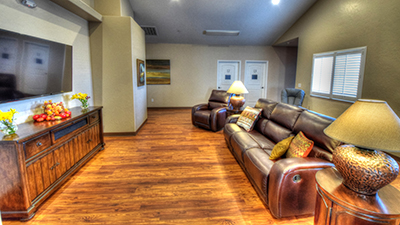
Beehive Homes of Gallup assisted living care is ideal for those who value their independence but require help with some of the activities of daily living. Residents enjoy 24-hour support, private bedrooms with baths, medication monitoring, home-cooked meals, housekeeping and laundry services, social activities and outings, and daily physical and mental exercise opportunities. Beehive Homes memory care services accommodates the growing number of seniors affected by memory loss and dementia. Beehive Homes offers respite (short-term) care for your loved one should the need arise. Whether help is needed after a surgery or illness, for vacation coverage, or just a break from the routine, respite care provides you peace of mind for any length of stay.
600 Gurley Ave, Gallup, NM 87301
Business Hours
Families seldom take a seat to research study senior care due to the fact that life is calm and foreseeable. Generally it happens after a fall, a hospitalization, a dementia medical diagnosis, or months of peaceful worry that something is not rather safe at home. The language of the senior care system does not help much. Terms like assisted living, skilled nursing, rehab, memory care, and respite care blur together, and you are left attempting to match human needs to complicated labels.
I have actually sat at too many cooking area tables with adult children, brother or sisters, and spouses trying to sort this out. The decision between assisted living and a nursing home is not only about medical care. It touches identity, independence, dignity, and household financial resources. Comprehending what each level of care actually looks and feels like everyday makes that choice less frustrating and more grounded in reality.

This guide walks through how assisted living and nursing homes differ, where they overlap, and how to choose what fits a specific person, at a particular minute, with a specific family and budget.
The landscape of senior care in plain language
Instead of starting with policies, it helps to start with what households normally experience.
At one of the most fundamental level, senior care spans a spectrum:
Home with support: This may be nothing more than family help and a weekly housekeeper, or it might consist of private caretakers numerous hours a day. When it works, it maintains familiarity and routine. When it stops working, it typically fails quietly, in the type of missed out on medications, bad nutrition, unreported falls, or mounting caretaker burnout.
Assisted living: These communities are developed for people who are mostly stable medically but require assist with everyday tasks. Consider dressing, bathing, meals, transport, and medication suggestions. The environment often looks more like an apartment or hotel than a hospital.
Nursing home (likewise called proficient nursing center): These facilities offer 24 hr nursing oversight and more extensive hands‑on care. They are developed for individuals with considerable medical or functional needs, typically after a stroke, significant surgical treatment, complex persistent illness, or innovative dementia.
Respite care: Short‑term stays in either assisted living or a nursing home so that a primary caretaker can rest, recover from surgery, travel, or merely capture their breath.
There are numerous variations within each category. Some assisted living neighborhoods have actually connected memory care systems. Some nursing homes supply short‑term rehab along with long‑term care. Laws differ by state or nation, which changes what a facility is legally enabled to do. The names on the sign are lesser than the actual services, staffing, and culture inside.
What assisted living in fact provides
Families in some cases envision assisted living as "a nursing home with better furniture." In practice it is a various model of senior care, constructed around supporting self-reliance rather than changing it.
Most assisted living neighborhoods provide private or semi‑private houses. Citizens bring their own furniture, images, and mementos. They have a front door that closes, a mail box, and a sense of "my location." Staff check in, however they do not hover in the hallway outside every room.
Day to day, assisted living typically consists of:
Meals and nutrition assistance. Three meals a day in a common dining-room are standard. Some houses have small kitchenettes, but ovens are often restricted for security. Personnel can usually work with special diets, such as diabetic‑friendly meals or low salt, within factor. If someone forgets to eat or no longer cooks safely, the structure of routine meals can be a substantial benefit.
Help with activities of daily living. This means hands‑on help with bathing, dressing, grooming, toileting, and mobility. The quantity and type of assistance is normally outlined in a care plan and may be priced in "levels of care." A resident may begin with minimal support and later requirement more frequent or extensive support.
Medication management. In many assisted living settings, nurses or trained medication aides handle prescriptions: buying refills, setting up med boxes, and administering dosages at scheduled times. For a resident who forgets or mistakenly double‑doses, this function alone can decrease hospitalizations.
Basic health monitoring. Personnel look for modifications, such as brand-new confusion, swelling in the legs, shortness of breath, mood shifts, or unstable walking. They are not an alternative to regular treatment but function as an early warning system and liaison with physicians and families.
Socialization and activities. Excellent assisted living communities invest real effort here. Daily calendars might consist of exercise classes, discussion groups, crafts, religious services, outings to shops or dining establishments, and holiday events. For seniors who have actually ended up being isolated at home, this stimulation can slow decline and lift mood.
Housekeeping and maintenance. Bedding, towels, cleansing, and building maintenance are managed by personnel. No more climbing action stools to change lightbulbs or worrying about a dripping water heater.
The regulatory authority in your area forms what assisted living is enabled to do. In many places, assisted living can not offer intricate wound care, constant oxygen monitoring, intravenous medications, or continuous supervision for risky habits. That is where the line often begins to move towards nursing homes.
What nursing homes are designed to handle
The phrase "nursing home" brings a heavy cultural weight. Many people imagine a dim ward of lined‑up wheelchairs and buzzing call lights. While there are poor centers out there, the truth of modern-day competent nursing is more varied.
The essential difference is the existence of certified nursing staff on site around the clock, with the training and authority to deal with more intricate medical scenarios. A nursing home is not only about just how much help somebody requires with bathing or dressing. It has to do with what happens if their blood pressure crashes at 2 a.m., if a feeding tube clogs, or if a pressure ulcer worsens.
Daily life in a nursing home generally includes:
Shared or private spaces. Personal spaces are more common than they utilized to be, however they often come at a higher expense and may depend upon availability. Shared rooms can impact privacy however also reduce seclusion for some residents.
Intensive individual care. Many homeowners need assist with all activities of daily living. Personnel supply full assistance with transfers, toileting, feeding, bathing, and turning in bed to avoid skin breakdown. Mechanical lifts may be utilized for transfers when homeowners can not bear weight safely.
Skilled nursing services. This is where nursing homes vary most clearly from assisted living. Examples consist of complex wound care, injectable medications, intravenous fluids or antibiotics, tube feedings, oxygen management, post‑surgical care, and detailed tracking for citizens with cardiac arrest, COPD, or unsteady diabetes.
Rehabilitation therapies. Short‑term nursing home stays frequently focus on physical, occupational, and speech therapy after hospitalization. The goal might be to restore sufficient strength and function to return home or move to assisted living. In long‑term residents, treatment may be more about maintaining function and avoiding decline.
Structured medical oversight. Physicians or nurse specialists generally visit the facility regularly and are on call for urgent issues. Lab draws, imaging, and professional visits can typically be collaborated through the center, reducing the need for stressful outings.
Because homeowners in nursing homes are normally more clinically delicate, the setting feels more medical. Hallways might have more devices and tracking gadgets. The schedule can be tighter. Yet within that structure, excellent facilities still work hard to create heat and a sense of belonging.
Independence, self-respect, and everyday rhythm
The difference between assisted living and nursing homes is not merely a medical checklist. It appears in how daily life feels.
In assisted living, homeowners typically set their own routines. They choose whether to sleep in or go to the early breakfast, whether to go to the afternoon film or remain in their room with a book. Staff come by for arranged care tasks, but there is more space for individual preference, even if that choice is, "No thanks, not today."

In a nursing home, more of the day follows personnel workflow, especially around personal care, meals, and medical treatments. When a resident requirements 2 individuals and a mechanical lift to get out of bed, care should be collaborated. Shower days might be on a set schedule. Medication times anchor the day. There is still choice inside that structure, however it is narrower.
Dignity does not depend solely on the level of care. I have actually seen assisted living residents treated like kids and nursing home locals treated with elegant respect. The culture of the center, the staffing ratios, and the training in person‑centered care matter more than the indication on the building.
Families often idealize self-reliance without acknowledging threat. An individual with dementia who "demands self-reliance" but consistently strolls outdoors during the night in winter is not really safe alone. On the other hand, moving a still‑capable elder too early into a more limiting setting can deteriorate self-confidence and sense of self. The goal is not self-reliance at any expense or safety at any cost; it is smart trade‑offs that honor the individual's values.
Key distinctions at a glance
A side‑by‑side view can clarify the landscape, as long as we remember that specific centers vary.
|Element|Assisted living|Nursing home (proficient nursing)|| ---------------------------|--------------------------------------------------|-----------------------------------------------------------|| Main focus|Support with everyday jobs, social engagement|Complex healthcare, extensive everyday assistance|| Personnel on site|Aides 24/7, nurse availability differs|Accredited nurses on website 24/7|| Common resident|Needs assist with some ADLs, reasonably stable|Needs help with many ADLs, considerable medical requirements|| Apartment or condo vs space|Private apartment or condos common|Mix of private and semi‑private rooms|| Medical services|Fundamental tracking, medication management|Wound care, IVs, complicated meds, rehabilitation treatments|| Independence level|Greater, more personal control over schedule|Lower, schedule formed more by scientific requirements|| Laws & & oversight|Social/ residential care oriented|Health care center with more stringent medical guidelines|
When you tour, focus less on what the sales brochure says and more on who lives there now. If you are bringing your father who still plays bridge and takes brief walks, however many citizens appear bed‑bound or deeply withdrawn, that setting may not match his current level of independence.
Where respite care fits into the picture
Respite care is often the unrecognized workhorse of senior care. It describes short‑term stays, generally from a few days to several weeks, in an assisted living or nursing home. The objective is to give a main caretaker, often a spouse or adult child, a genuine break.
A typical situation: an 82‑year‑old wife caring for her husband with advancing dementia. He is up at night, increasingly unsteady, and needs aid with toileting and dressing. She is doing whatever, sleeping severely, and losing weight. Their kids live out of town. She insists she can "manage a bit longer" however is noticeably exhausted.
A week or two of respite care in a neighboring assisted living community can reset the circumstance. The other half receives structured care, meals, and activities fit to his level of cognition. The better half rests, attends her own medical visits, possibly sees old buddies. In some cases she returns home better geared up to continue caregiving. In some cases she understands that a longer‑term transfer to assisted living or a nursing home is necessary.
Respite stays can occur in:
Assisted living, when the person is medically stable but requires supervision, hints, or help with day-to-day tasks.
Nursing homes, when the individual needs experienced nursing services or when there is an issue about medical stability.
Respite care can likewise serve as a "trial run." Households uncertain about assisted living might schedule a month of respite to see how a parent changes. For some, the modification is much easier than expected. For others, it surface areas obstacles early, such as resistance to personnel assistance, unrecognized incontinence, or advanced memory problems than the family realized.
If you are taking care of a senior at home, incorporating respite care every couple of months can delay or even avoid the need for permanent positioning. Caretaker burnout is one of the main drivers of nursing home admission, regardless of the elder's exact medical status.
Matching needs to levels of care
There is no single ideal formula, but particular concerns reliably point in the ideal instructions. When I sit with families, we stroll through areas of everyday function and security instead of beginning with labels.
Here is a compact checklist to help frame the discussion:
- How numerous activities of daily living (bathing, dressing, toileting, moving, feeding) require hands‑on help, and how often each day?
- Are there continuous medical treatments or keeping an eye on needs (wounds, IV medications, oxygen, recent strokes or heart failure) that need a nurse's direct involvement?
- Has there been a pattern of current falls, hospitalizations, or emergency clinic visits that recommends medical instability?
- Is there dementia, and if so, does the person roam, end up being aggressive, or engage in hazardous behaviors that require consistent supervision?
- How much strain is the primary caregiver under, and is that pressure sustainable for another 6 to twelve months without serious damage to their own health?
If most needs fall in the world of everyday jobs, pointers, and basic guidance, assisted living normally fits. If the answers cluster around complicated medical care, constant hands‑on assistance, or severe behavioral problems connected to dementia, a nursing home may be the more appropriate setting.
One nuance worth emphasizing: some elders technically qualify for a nursing home based on functional requirements however are mentally much more most likely to grow in assisted living, particularly with personal duty care layered in. Others meet only the minimum criteria for assisted living however have brittle medical conditions that make closer nursing oversight wiser. This is where experienced geriatricians, geriatric care managers, or social workers make their keep.
Money, insurance, and hard trade‑offs
Family conversations about senior care typically break down at the financial phase. The costs are genuine, and the system is complex.
Assisted living is generally paid of pocket, in some cases with assistance from long‑term care insurance coverage or, in some areas, minimal public aids. Regular monthly expenses vary commonly by place and level of care, however mid‑range centers typically begin in the thousands per month, not consisting of extras. As a resident requirements more help, the expense can climb in tiers.
Nursing homes may be paid through a combination of private pay, long‑term care insurance, and public programs such as Medicaid, once financial eligibility requirements are fulfilled. Short‑term remains for rehab are typically covered in part by health insurance, especially following a certifying medical facility stay. Long‑term custodial care protection guidelines vary.
Families sometimes presume that nursing homes are automatically more costly due to the fact that they are more medical. In the private pay stage, that is often true. However, if the older adult eventually qualifies for a public payer, a nursing home might be the only setting covered, while assisted living continues to require personal funds.
A pattern I see often:
A parent goes into assisted living when still fairly independent. Over 2 or 3 years, care needs increase. Month-to-month expenses increase to the point that cost savings start to diminish faster than prepared for. When the cash runs low, the household checks out Medicaid and finds that the rules in their state cover nursing home care however only partly cover, or do not cover, assisted living. The parent then faces a transfer to a nursing home primarily for financial reasons, not due to the fact that assisted living can no longer meet their needs.
Difficult as it is, having frank discussions early about finances, eligibility for advantages, and reasonable time horizons assists prevent crisis moves. Including a licensed elder law attorney or a relied on financial planner who understands long‑term care can conserve both cash and emotional turmoil.
Family dynamics, emotion, and timing
The decision to move into assisted living or a nursing home is as much psychological as medical. Parents who spent their lives being independent typically withstand any idea of "a home." Adult children in some cases postpone hard discussions due to the fact that they fear conflict or guilt. Brother or sisters argue about whether a mother is "really that bad yet."
It prevails, for instance, for one child who lives nearby and provides most hands‑on care to push for a senior living relocation, while an out‑of‑town brother or sister firmly insists that "she sounds great on the phone." These conflicts are not merely about the parent's condition. They have to do with old family functions, unsolved bitterness, and differing tolerance for risk.
A couple of useful methods can help:
Bring objective data into the discussion. Instead of saying, "You are not safe in your home," say, "In the last 6 months you have actually fallen three times, missed out on medications repeatedly, and been to the emergency room two times. I am scared you will get seriously injured." Numbers and particular examples reduce the sense of unclear criticism.
Use specialists as neutral voices. In some cases a parent will accept assistance from a physician, physiotherapist, or social worker that they would decline from their own kid. Ask clinicians to speak openly about dangers and options.
Try time‑limited trials. A 30‑day respite stay in assisted living or short‑term rehab in a nursing home can move the conversation from abstract fears to lived experience. People are often amazed by what they like or do not like as soon as they have tried it.
Accept that timing is rarely ideal. Most families either move a little earlier than feels emotionally comfy, or they wait up until a crisis requires the concern. There is no perfect minute where everybody agrees and nobody feels clashed. The goal is a choice that can be discussed to your future self with sincerity: "We did the best we might with the info we had."
When requires change: moving between levels of care
Senior care is not a one‑time choice. It is a series of modifications as health, cognition, and household situations evolve.
Common shifts consist of:
A move from home to assisted living, with later transfer to a nursing home when medical needs or dementia progress.
Transfer from hospital to nursing home rehabilitation, then either back home with assistance, into assisted living, or into long‑term nursing home care if function does not recover.
Shift within the very same community, for example, from general assisted living into a secured memory care system when wandering or unsafe behaviors emerge.
When evaluating a neighborhood, ask what occurs if requirements increase. Can a resident "age in place" with added services, or is a transfer to a various facility inevitable? Some assisted living communities have strong relationships with home health companies and hospice suppliers, which can extend the length of time a resident can remain there.
Signs that it may be time to re‑evaluate the current setting include:
Staff expressing issue that they can no longer securely meet requirements within their license or staffing model.
Repeated hospitalizations or emergency situation transfers for concerns that might be much better managed in a greater level of care.
Significant unaddressed behaviors, such as hostility, roaming into other locals' rooms, or refusal of essential care, that stretch the capacity of present staff.
Visible distress in the resident, such as persistent fear, confusion, or withdrawal that might be alleviated in a different environment.
Change is hard, specifically for someone already managing loss of home, driving, functions, and health. Yet when managed with respect, clear communication, and thoughtful preparation, moving to the right level of care can bring back stability and reduce suffering for both the senior and their family.
Using info, not labels, to assist decisions
Assisted living, nursing home, respite care: these are tools, not verdicts. The ideal choice depends on the person's practical status, medical complexity, support group, choices, and monetary scenario. Labels on brochures will not tell you what you really require to know.
As you navigate options, pay attention to concrete indicators: falls, hospitalizations, caregiver fatigue, missed medications, increasing confusion, or neglected pain. Tour numerous centers, at unannounced times if possible. View how staff speak with citizens. Ask families in the lobby how long their loved ones have existed and what they would alter if they could.
Senior care and elderly care choices are never ever easy, however they become more workable when you focus on levels of support and self-reliance, rather than on fear‑laden stereotypes. Correctly matched care can turn a downward spiral into a brand-new, steadier chapter, where security and self-respect exist side-by-side, and where both the older adult and their family can breathe a little easier.
BeeHive Homes of Gallup provides assisted living care
BeeHive Homes of Gallup provides memory care services
BeeHive Homes of Gallup provides respite care services
BeeHive Homes of Gallup supports assistance with bathing and grooming
BeeHive Homes of Gallup offers private bedrooms with private bathrooms
BeeHive Homes of Gallup provides medication monitoring and documentation
BeeHive Homes of Gallup serves dietitian-approved meals
BeeHive Homes of Gallup provides housekeeping services
BeeHive Homes of Gallup provides laundry services
BeeHive Homes of Gallup offers community dining and social engagement activities
BeeHive Homes of Gallup features life enrichment activities
BeeHive Homes of Gallup supports personal care assistance during meals and daily routines
BeeHive Homes of Gallup promotes frequent physical and mental exercise opportunities
BeeHive Homes of Gallup provides a home-like residential environment
BeeHive Homes of Gallup creates customized care plans as residents’ needs change
BeeHive Homes of Gallup assesses individual resident care needs
BeeHive Homes of Gallup accepts private pay and long-term care insurance
BeeHive Homes of Gallup assists qualified veterans with Aid and Attendance benefits
BeeHive Homes of Gallup encourages meaningful resident-to-staff relationships
BeeHive Homes of Gallup delivers compassionate, attentive senior care focused on dignity and comfort
BeeHive Homes of Gallup has a phone number of (505) 591-7024
BeeHive Homes of Gallup has an address of 600 Gurley Ave, Gallup, NM 87301
BeeHive Homes of Gallup has a website https://beehivehomes.com/locations/gallup/
BeeHive Homes of Gallup has Google Maps listing https://maps.app.goo.gl/iMEbZo7VyH1tHATP9
BeeHive Homes of Gallup has TikTok page https://www.tiktok.com/@beehivehomesgallup
BeeHive Homes of Gallup has an YouTube page https://www.youtube.com/@WelcomeHomeBeeHiveHomes
BeeHive Homes of Gallup has Facebook page https://www.facebook.com/beehivehomesgallup
BeeHive Homes of Gallup has Instagram page https://www.instagram.com/beehivehomesofgallup/
BeeHive Homes of Gallup won Top Assisted Living Homes 2025
BeeHive Homes of Gallup earned Best Customer Service Award 2024
BeeHive Homes of Gallup placed 1st for Senior Living Communities 2025
People Also Ask about BeeHive Homes of Gallup
What is BeeHive Homes of Gallup Living monthly room rate?
The rate depends on the level of care that is needed. We do a pre-admission evaluation for each resident to determine the level of care needed. The monthly rate is based on this evaluation. There are no hidden costs or fees
Can residents stay in BeeHive Homes of Gallup until the end of their life?
Usually yes. There are exceptions, such as when there are safety issues with the resident, or they need 24 hour skilled nursing services
Do we have a nurse on staff?
No, but each BeeHive Home has a consulting Nurse available 24 – 7. if nursing services are needed, a doctor can order home health to come into the home
What are BeeHive Homes of Gallup's visiting hours?
Our visiting hours are currently under restriction by the state health officials. Limited visitation is still allowed but must be scheduled during regular business hours. Please contact us for additional and up-to-date information about visitation
Do we have couple’s rooms available?
Yes, each home has rooms designed to accommodate couples. Please ask about the availability of these rooms
Where is BeeHive Homes of Gallup located?
BeeHive Homes of Gallup is conveniently located at 600 Gurley Ave, Gallup, NM 87301. You can easily find directions on Google Maps or call at (505) 591-7024 Monday through Sunday 9:00am to 5:00pm
How can I contact BeeHive Homes of Gallup?
You can contact BeeHive Homes of Gallup by phone at: (505) 591-7024, visit their website at https://beehivehomes.com/locations/gallup/ or connect on social media via TikTok Facebook or YouTube
Residents may take a trip to the Navajo Code Talkers Museum. The Navajo Code Talker exhibits provide educational experiences suitable for assisted living, senior care, elderly care, and respite care cultural visits.